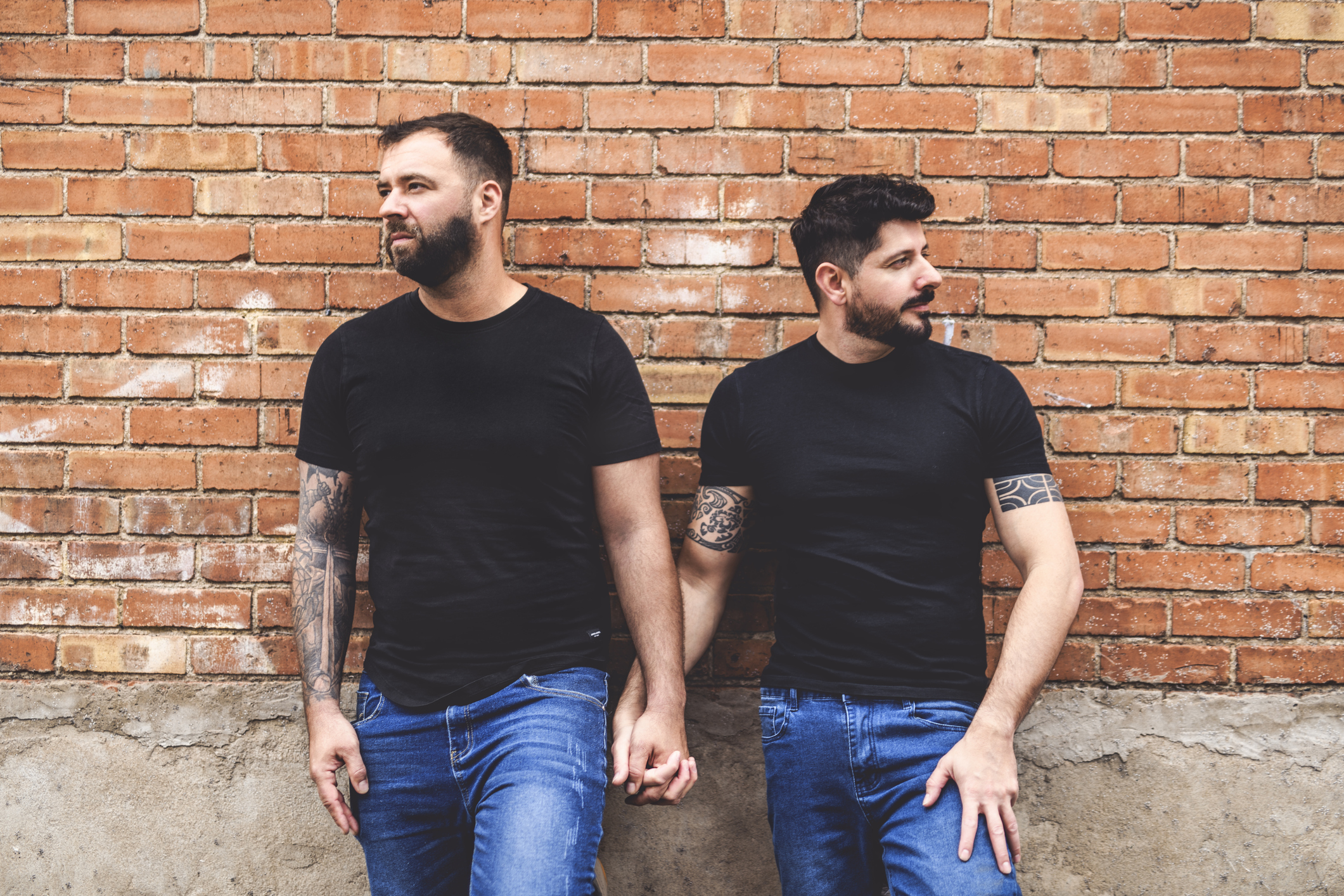
Relationships between gay men often begin after years of facing challenges around identity, belonging, family, culture, discrimination, and acceptance. Many gay men have spent part of their lives hiding who they are or worrying about how others will respond to them. While coming out and finding a loving relationship can be exciting and deeply rewarding, those earlier experiences do not simply disappear. They often shape how we connect with others, how safe we feel in relationships, and how we respond to love.
Every person brings their own story into a relationship. We all have different hopes, fears, ways of coping, and expectations. Healthy relationships grow when both people communicate openly, respect each other’s differences, and work through challenges together.
Sometimes, however, fear of conflict or fear of losing the relationship can lead to unhealthy patterns. One of these patterns is co-dependency. While co-dependency can happen in any relationship, gay men may be more vulnerable because of experiences such as rejection, minority stress, shame, rigid expectations of masculinity, or a lifelong search for belonging and safety.
Understanding co-dependency is not about blaming yourself or your partner. It is about recognising how past experiences can influence present relationships and learning healthier ways of connecting with one another.
What is Co-Dependency?
Co-dependency is often mistaken for loving someone “too much.” It is about slowly losing your sense of self in order to keep the relationship together.
Over time, your happiness, confidence, and self-worth can become closely tied to your partner’s feelings and approval. You may find yourself putting their needs before your own, avoiding conflict, or feeling responsible for keeping them happy.
For example, you might stop seeing friends because your partner becomes upset, say “yes” when you really want to say “no,” or spend so much time looking after your partner that you forget your own needs.
These behaviours usually come from a good place. Most people are not trying to control or manipulate the relationship. Instead, they are trying to protect it. Unfortunately, the more someone gives up themselves to keep the peace, the more disconnected they often become from who they really are.
From an attachment perspective, these patterns often develop from a deep fear of rejection, abandonment, or being alone. The relationship becomes a way of feeling safe instead of being a place where both people can grow.
Why Can Co-Dependency Develop?
Many gay men grow up learning that they are different. Some experience bullying, rejection, family conflict, or the need to hide their sexuality. Others spend years searching for people who truly understand and accept them.
When someone finally finds love, the relationship can begin to feel like the only safe place in the world. As a result, it may become difficult to imagine life without that person.
This can lead to beliefs such as:
- “If I lose this relationship, I’ll be alone.”
- “I have to keep my partner happy.”
- “My needs are less important than theirs.”
- “I can’t cope without this relationship.”
Over time, these beliefs can make it difficult to set healthy boundaries or express honest feelings.
Signs of Co-Dependency
Every relationship is different, but some common signs include:
- feeling responsible for your partner’s emotions
- avoiding conflict at all costs
- finding it difficult to say “no”
- putting your own needs last
- constantly trying to fix or rescue your partner
- feeling guilty when you spend time apart
- relying on your partner for your sense of worth
- feeling anxious or lost when the relationship feels uncertain.
Having one or two of these experiences does not necessarily mean a relationship is codependent. However, if these patterns become ongoing, they can affect the wellbeing of both partners.
What is Enmeshment?
One of the strongest signs of co-dependency is enmeshment.
Enmeshment happens when the boundaries between two people become blurred. Instead of being two individuals choosing to share their lives, the relationship begins to feel like one emotional system.
In healthy relationships, both partners remain connected while still having their own friendships, interests, opinions, and personal space.
In an enmeshed relationship, however, it may feel wrong to spend time apart. Making independent decisions can create guilt, disagreements may be avoided to keep the peace, and one partner may feel responsible for managing the other’s emotions.
Over time, simply wanting time alone or doing something independently can feel like a betrayal. Instead of helping each person grow, the relationship begins to limit that growth.
Healthy love says:
“We are two people who choose to share our lives.”
Enmeshment says:
“We only feel safe when we function as one.”
An Existential Perspective
Existential therapy offers another way of understanding co-dependency.
It suggests that every person faces certain realities of life. We all experience uncertainty. We all want love and belonging. We all face loneliness at times. And each of us is responsible for making choices about our own lives.
These realities can feel uncomfortable. Sometimes, instead of facing them, we try to escape them by losing ourselves in another person.
From this perspective, co-dependency is not simply a relationship problem. It is often a response to our deepest fears.
From an existential point of view, the opposite of co-dependency is not emotional distance or complete independence. It is the ability to remain fully yourself while being deeply connected to another person.
The existential philosophers remind us that healthy love is not about becoming one person. It is about two people choosing to walk through life together while remaining true to themselves.
Jean-Paul Sartre believed that love means respecting another person’s freedom. Healthy love is not about owning someone or expecting them to complete us. Instead, it is about choosing each other while allowing both people to remain free.
Martin Heidegger believed that authentic living means making our own choices rather than simply following what other people expect of us. Healthy relationships support our individuality instead of asking us to give it up.
Maurice Merleau-Ponty reminded us that relationships are deeply experienced through our bodies, emotions, and everyday lives. We can feel close to another person without losing our own unique experience of the world.
Healthy relationships find a balance between closeness and independence. We all need connection, but we also need room to grow, make our own choices, and develop our own lives.
Moving Towards Healthier Relationships
The good news is that co-dependency is not a life sentence. Relationships can change, and so can we.
Healing begins by learning to notice your own needs, expressing your feelings honestly, setting healthy boundaries, and allowing yourself to be an individual within the relationship.
This might mean:
- spending time with friends and family
- reconnecting with hobbies and interests
- learning to say “no” without guilt
- asking for what you need
- accepting that disagreement does not always mean rejection
- seeking support from a therapist if old patterns feel difficult to change.
Healthy relationships are not built on fear or obligation. They are built on trust, respect, honesty, and choice.
Questions for Reflection
If you recognise some of these patterns in your own relationship, you may find it helpful to spend some time reflecting on the following questions.
- In what ways have I changed myself to keep this relationship?
- What feelings come up when I imagine saying “no”?
- What am I afraid might happen if I stopped trying to rescue my partner?
- Which parts of myself have become quieter or harder to recognise?
- What would a healthy relationship look like if both people could speak honestly without fear?
- How can I build a relationship where closeness comes from choice rather than dependence?
A Final Thought
Love should never require you to lose yourself.
Healthy relationships allow two people to grow side by side. They make room for closeness, honesty, difference, and freedom. They recognise that each person brings their own history, hopes, and struggles into the relationship, and that love grows strongest when both partners feel safe to be fully themselves.
The goal is not to become less connected. It is to become more authentic. When two whole people freely choose one another each day, intimacy becomes something that supports growth rather than something that demands the loss of self.